
Neuroplasticity and Focus: How to Rewire Your Brain for Success
The Myth of the Fixed Brain
For decades, the prevailing scientific consensus was that the adult human brain was a static organ. It was believed that once we reached adulthood, our neural pathways were fixed, and we could only lose neurons as we aged. This led to a fatalistic view of intelligence and personality: you were born with a certain set of capabilities, and you were stuck with them.
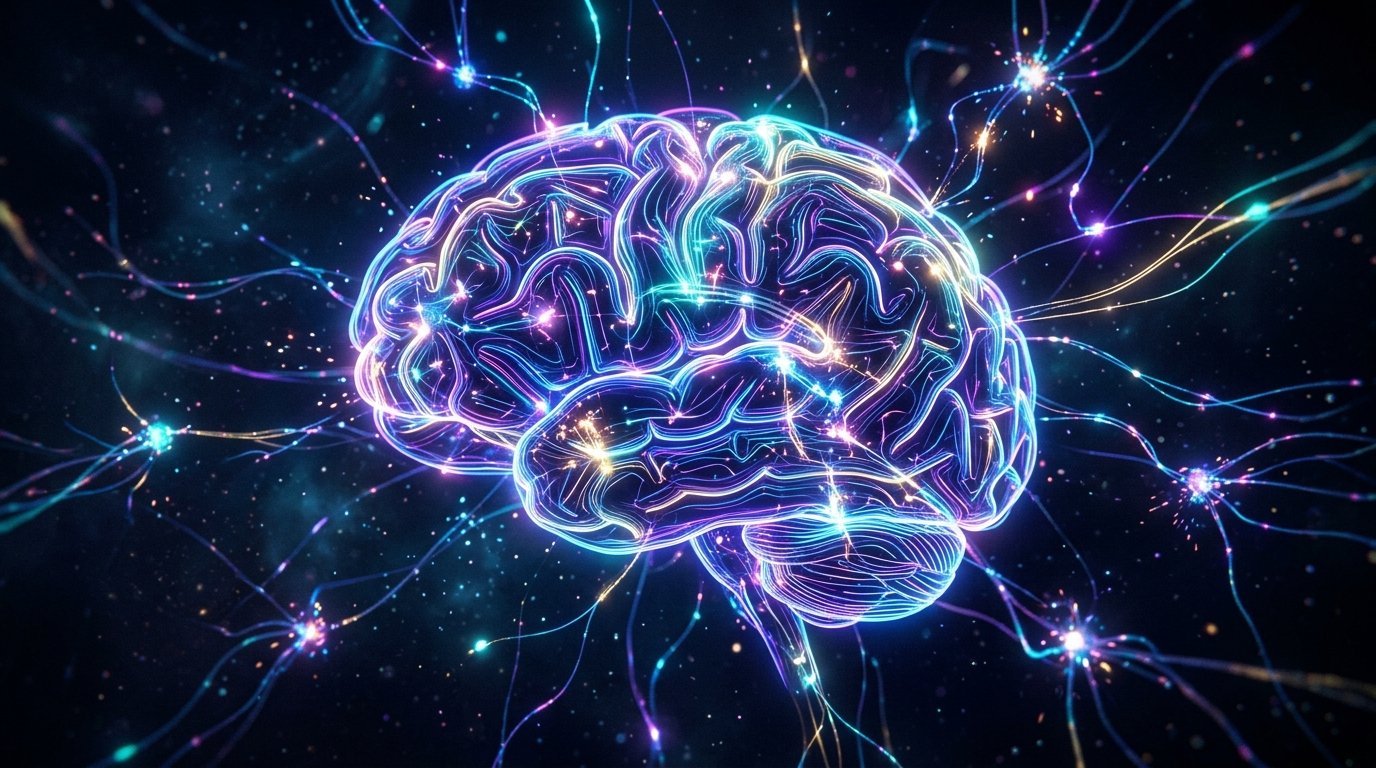
However, modern neuroscience has shattered this myth. We now know that the brain possesses a remarkable characteristic known as Neuroplasticity. Neuroplasticity is the brain’s ability to reorganize itself by forming new neural connections throughout life. It allows the neurons in the brain to compensate for injury and disease and to adjust their activities in response to new situations or to changes in their environment.
How Neuroplasticity Works
Every time you learn something new, practice a skill, or even have a novel thought, you are physically altering the structure of your brain. As the neuroscientist Donald Hebb famously stated: “Neurons that fire together, wire together.”
When you repeatedly engage in a specific behavior or thought pattern, the neural circuits associated with it become stronger, faster, and more efficient. Conversely, circuits that are not used weaken and are eventually pruned away. This means that your brain is constantly remodeling itself based on your experiences and habits.
Rewiring Your Brain for Focus
If you constantly give in to distractions—checking social media every few minutes, multitasking, seeking quick hits of dopamine—you are literally wiring your brain for a short attention span. Your brain becomes highly efficient at being distracted.
The good news is that you can use neuroplasticity to reverse this process. You can intentionally rewire your brain for deep, sustained focus. Here is how.
1. Deliberate Practice of Attention
Focus is a muscle. The more you use it, the stronger it gets. Start by setting a timer for a short period—say, 15 minutes—and commit to working on a single task without any interruptions. If your mind wanders (and it will), gently bring your attention back to the task. This act of noticing the distraction and refocusing is the “rep” that builds the neural pathways for concentration.
2. The Role of Sleep and Consolidation
Neuroplasticity doesn’t just happen while you are awake. The actual physical rewiring of the brain—the strengthening of synapses—occurs primarily during sleep. During deep sleep, the brain consolidates memories and solidifies the neural connections formed during the day. Chronic sleep deprivation severely impairs neuroplasticity, making it incredibly difficult to improve your focus or learn new skills.
3. Novelty and Challenge
The brain thrives on novelty. To stimulate the growth of new neural connections (neurogenesis), you must continually challenge your brain with new and difficult tasks. If you only ever do things you are already good at, your brain will rely on existing, automated pathways. Learning a new language, playing a musical instrument, or mastering a complex new software program forces the brain to adapt and grow.
4. Mindfulness and Meditation
Meditation is one of the most powerful tools for harnessing neuroplasticity. Studies using fMRI scans have shown that regular meditation practice actually increases the density of gray matter in the prefrontal cortex (the area responsible for executive function and focus) and shrinks the amygdala (the area associated with stress and anxiety). Mindfulness trains the brain to stay anchored in the present moment, directly counteracting the habit of distraction.
Conclusion
Your brain is not hardwired; it is “softwired” by experience. You are not a victim of your current lack of focus or bad habits. By understanding the principles of neuroplasticity, you can take conscious control of your brain’s development. Through deliberate practice, adequate rest, continuous challenge, and mindfulness, you can physically sculpt a brain that is capable of laser-like focus and sustained high performance.