Minimalist Desk Setups: How Less Can Supercharge Your Focus
Introduction to Minimalist Desk Setups
In today’s fast-paced, always-connected world, our workspaces have become the epicenters of our daily lives. Whether you are working from a home office, a corporate cubicle, or a shared co-working space, the environment you cultivate directly impacts your output and mental well-being. This brings us to the growing trend of minimalist desk setups. More than just an aesthetic choice, a minimalist desk is a functional philosophy. By adhering to the principle that “less is more,” you can transform a chaotic, cluttered workspace into a serene sanctuary designed for deep work and high productivity. Minimalist desk setups are fundamentally about intentionality—keeping only what you need and removing anything that distracts from your goals.
The Psychology of Clutter
To understand the power of a minimalist setup, we must first look at the psychological effects of a cluttered environment. Studies have shown that physical clutter overloads your senses, increasing stress and anxiety while decreasing your ability to focus. When your desk is covered in loose papers, tangled cables, and random trinkets, your brain has to work overtime to filter out these visual stimuli. This constant filtering drains your cognitive resources, leaving you fatigued and less capable of tackling complex tasks. A minimalist desk setup eliminates these unnecessary visual distractions. By presenting your brain with a clean, organized slate, you free up mental bandwidth, allowing you to hyper-focus on the task at hand. The physical act of clearing your desk often mirrors a mental clearing, leading to greater clarity and purpose.
Key Components of a Minimalist Desk
Creating a minimalist desk setup doesn’t mean stripping your workspace down to a bare table and a laptop. It’s about optimizing your environment with high-quality, essential items that serve a distinct purpose. Let’s break down the core components that make up a successful minimalist workspace.
Choosing the Right Desk
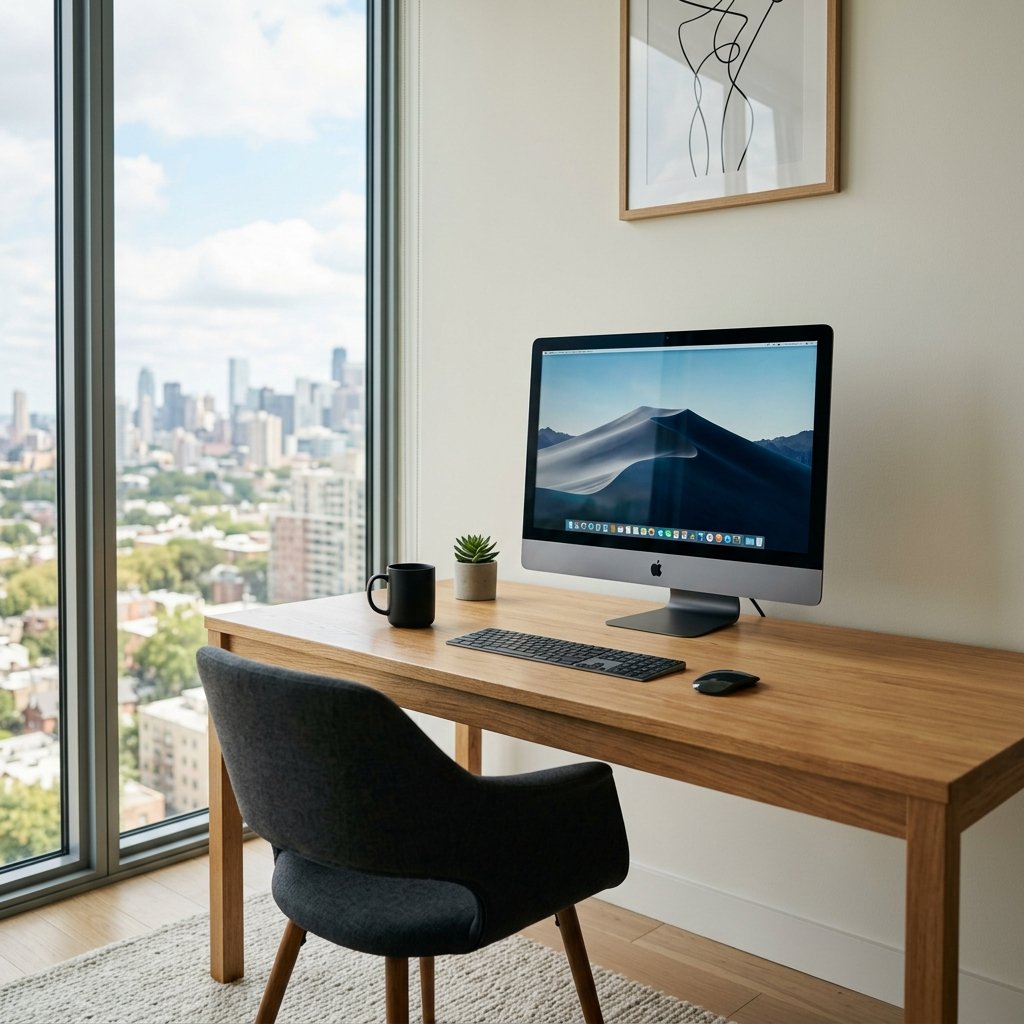
The foundation of any setup is the desk itself. For a minimalist approach, choose a desk with clean lines, a solid color (often white, black, or natural wood), and ample surface area. Standing desks have become incredibly popular as they promote better posture and allow for movement throughout the day. When selecting a desk, avoid designs with excessive built-in shelving or cubbies, as these often become magnets for clutter. The goal is to have a flat, uninterrupted surface that serves as a blank canvas for your work.
The Monitor Setup
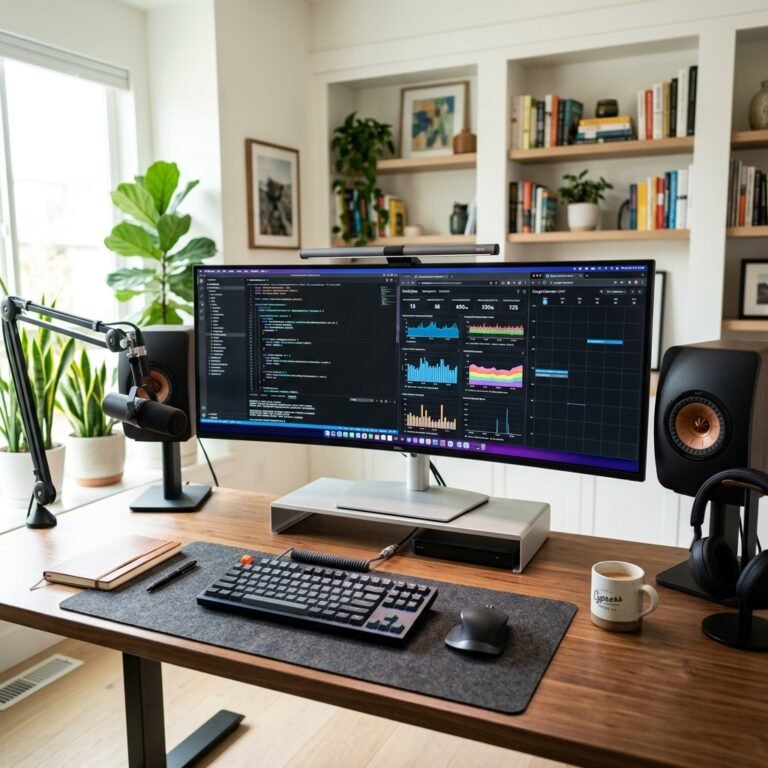
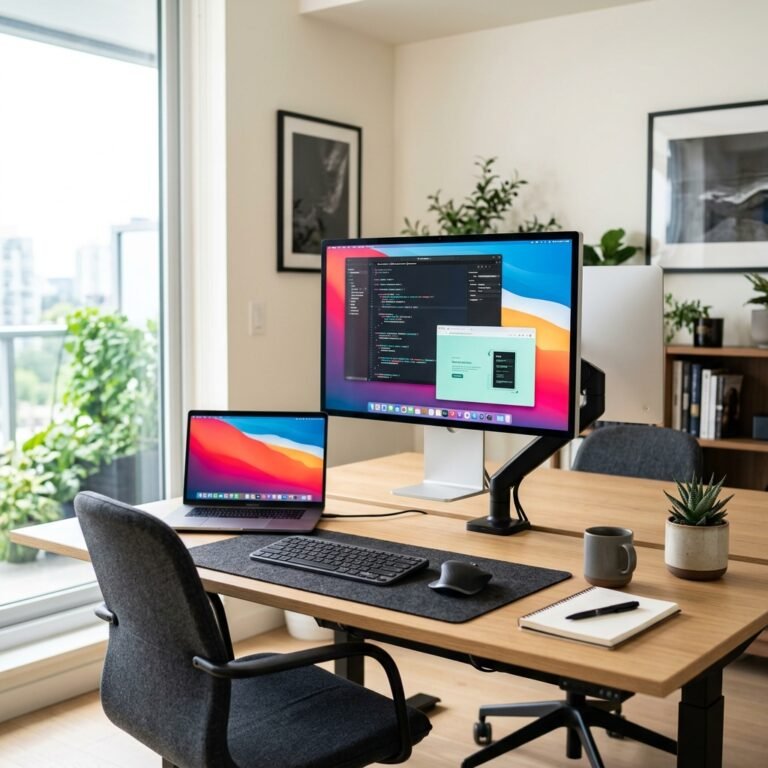
In a digital workspace, the monitor is your primary focal point. A minimalist setup usually favors a single, high-quality, ultrawide monitor over a multi-monitor configuration. An ultrawide monitor provides the screen real estate of two monitors without the distracting bezel in the middle, creating a more seamless and immersive experience. Mounting the monitor on a monitor arm is a crucial step in achieving a minimalist look. A monitor arm frees up valuable desk space beneath the screen, giving your setup a floating, airy feel.
Ergonomics and Peripherals
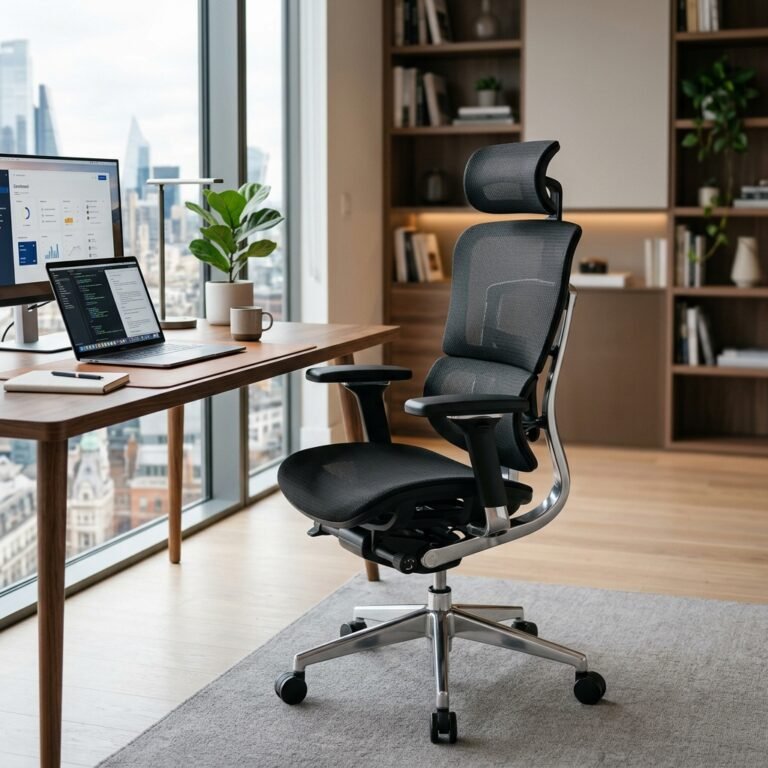
Minimalism should never come at the expense of comfort. A high-quality ergonomic chair is a non-negotiable investment for anyone spending hours at their desk. When it comes to peripherals, wireless is the way to go. A wireless mechanical keyboard and a precision wireless mouse reduce cable clutter and offer a much cleaner aesthetic. Stick to a unified color palette for your peripherals to maintain a cohesive and visually pleasing look.
The Benefits of a Minimalist Workspace
Transitioning to a minimalist desk setup is an investment of time and effort, but the returns are substantial. The benefits extend far beyond simply having an Instagram-worthy workspace; they fundamentally change how you work and feel.
Increased Focus and Productivity
The most immediate and noticeable benefit of a minimalist setup is a significant boost in focus. With fewer items on your desk competing for your attention, you can direct all your energy toward your work. This reduction in visual noise makes it easier to enter a state of “flow,” where you are fully immersed and highly productive. You spend less time searching for misplaced items and more time executing on your goals.
Reduced Stress and Anxiety
A cluttered environment is a stressful environment. Walking into an office with a messy desk can instantly spike your cortisol levels. Conversely, a clean, minimalist desk promotes a sense of calm and order. It sends a subconscious signal to your brain that things are under control. This low-stress environment is essential for sustainable productivity and preventing burnout over the long term.
Better Organization
Minimalism forces you to be organized. Because you only keep essential items on your desk, everything must have a designated place. This intentionality spills over into your digital life as well. People who maintain minimalist physical workspaces often find themselves organizing their digital files, emails, and project management tools with the same level of discipline.
How to Transition to a Minimalist Setup
If your current workspace resembles a disaster zone, transitioning to a minimalist setup might feel daunting. However, by breaking the process down into manageable steps, you can transform your desk over a single weekend.
The Decluttering Process
Start by completely clearing your desk. Remove every single item, including your computer, peripherals, and decorations. Clean the surface thoroughly. Now, be ruthless about what you put back. Ask yourself: “Do I use this item every single day?” If the answer is no, it doesn’t belong on your desk. Store less frequently used items in a drawer or a separate cabinet. Items that you no longer need or use should be donated, recycled, or thrown away.
Cable Management Mastery
Cables are the enemy of a minimalist setup. No matter how clean your desk surface is, a tangled mess of cords underneath will ruin the aesthetic and cause frustration. Invest in some basic cable management tools: cable ties, raceways, and under-desk cable trays. Route all your cables along the underside of the desk and down a single leg. A power strip mounted underneath the desk allows you to plug everything in out of sight. The goal is to have zero visible cables when looking at the desk from a normal viewing angle.
Maintaining the Minimalism
Creating a minimalist desk is one thing; maintaining it is another. Clutter naturally accumulates over time, so you must develop habits to keep your workspace pristine. Implement a “clean desk policy” at the end of every workday. Spend five minutes putting away pens, throwing out coffee cups, and organizing any loose papers. This simple daily ritual ensures that you start every morning with a clean slate, ready to tackle the day’s challenges.
Conclusion
Minimalist desk setups are much more than a fleeting design trend; they represent a fundamental shift in how we approach our work environments. By embracing the principles of minimalism—intentionality, simplicity, and organization—you can create a workspace that not only looks beautiful but also actively supports your goals. A minimalist desk reduces stress, eliminates distractions, and creates the ideal conditions for deep, focused work. Whether you are a student, a creative professional, or an executive, taking the time to curate a clean, intentional workspace is an investment in your productivity, your well-being, and your future success. Start small, be ruthless with your decluttering, and watch as “less” truly supercharges your focus.